Wheels & Tires: Revolutionizing Mobility and Beyond
Introduction
In the dynamic realm of transportation, wheels and tires stand as the very foundation upon which our mobile world rests. This article embarks on a comprehensive journey through the intricate landscape of wheels and tires, exploring their evolution, global impact, technological innovations, and their multifaceted role in shaping modern life. From the ancient days of chariot racing to the sleek electric vehicles of today, wheels and tires have been an indispensable component, facilitating movement, commerce, and cultural exchange. This piece aims to equip readers with a profound understanding of this often-overlooked yet vital technology, shedding light on its significance and future potential.
Understanding Wheels & Tires: A Comprehensive Overview
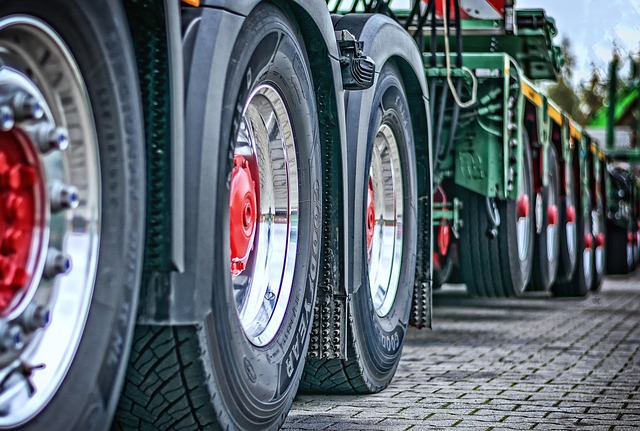
Definition: Wheels and tires are the rotatable components attached to the axles of vehicles, enabling them to move over various surfaces. A wheel typically consists of a circular rim with a hub, while a tire is the flexible, inflatable structure that fits within the rim, providing traction and cushioning.
Core Components:
-
Rim: The outer, rigid part of the wheel that houses and supports the tire. Rims come in various materials like steel, aluminum, or alloy, each offering unique advantages in terms of weight, durability, and aesthetics.
-
Hub: The central part of the wheel that connects it to the vehicle's axle. It contains bearings that facilitate smooth rotation.
-
Tire: Comprising a tough outer casing and one or more layers of rubber compound, tires are responsible for providing traction, absorbing road shocks, and ensuring overall vehicle stability.
Historical Context: The evolution of wheels and tires traces back to ancient civilizations like the Sumerians, Egyptians, and Chinese, who crafted wooden and solid rubber wheels between 3500-100 BC. Over centuries, technological advancements led to the introduction of spoked wheels, pneumatic tires, and, eventually, the modern tire designs we know today.
Significance: Wheels and tires are pivotal for several reasons:
-
Mobility: They enable efficient land transportation, revolutionizing travel, commerce, and urban development.
-
Safety: Advanced wheel and tire technologies enhance vehicle safety by improving traction, handling, and shock absorption.
-
Versatility: Different wheel and tire combinations cater to diverse terrains, from rugged off-road adventures to smooth city driving.
Global Impact and Trends
The global wheels and tires market is a testament to its universal importance, boasting a substantial size and growth potential. According to a 2022 report by Grand View Research, the market value was estimated at USD 487.5 billion in 2021 and is projected to expand at a CAGR of 6.7% from 2022 to 2030. This growth is driven by several key trends:
-
Electric Vehicle (EV) Revolution: The rising adoption of electric vehicles globally is a significant driver. EV tires, designed for energy efficiency and reduced rolling resistance, are in high demand.
-
Autonomous Vehicles: The development of self-driving cars necessitates advanced wheel and tire systems for precise navigation and stability control.
-
Off-Road and Adventure Vehicles: Increasing popularity in off-road sports and exploration fuels the need for robust tires capable of handling challenging terrain.
-
Regional Disparities: Market trends vary across regions, with North America and Europe leading in terms of market share due to higher vehicle penetration rates. Asia-Pacific is expected to witness substantial growth, driven by rising disposable incomes and expanding infrastructure.
Economic Considerations
Market Dynamics
The wheels and tires market exhibits a competitive landscape characterized by both global giants and niche specialists. Key players include Michelin, Bridgestone, Continental AG, and Nokian Tyres, offering diverse product portfolios tailored to various vehicle types and driving conditions.
Investment Patterns
-
Research & Development: Significant investments are directed towards R&D, with companies exploring new materials, tread patterns, and technologies for improved performance and sustainability.
-
Manufacturing Innovation: State-of-the-art manufacturing facilities employ advanced production techniques like precision molding and 3D printing to enhance efficiency and product quality.
Economic System Integration
Wheels and tires play a pivotal role in the global economy:
-
Automotive Industry: They are a critical component of vehicle manufacturing, influencing production costs and overall vehicle performance.
-
Logistics and Transportation: The demand for wheels and tires is closely tied to the health of logistics and transportation sectors, which are essential for trade and economic growth.
-
Aftermarket Sales: The aftermarket for replacement tires and wheels contributes significantly to revenue streams, offering opportunities for retailers and service providers.
Technological Advancements
The realm of wheels and tires has witnessed numerous technological breakthroughs, driving performance, safety, and sustainability to new heights:
-
Run-Flat Tires: These innovative tires can sustain air loss without deflating, providing emergency handling capabilities until a safe stop is possible.
-
Smart Tires: Equipped with sensors, smart tires monitor various parameters like pressure, temperature, and road conditions in real time, enhancing safety and vehicle dynamics.
-
Eco-Friendly Rubber: Researchers are developing eco-friendly rubber compounds using natural materials or recycled scrap tires to reduce environmental impact.
-
Advanced Tread Patterns: Improved tread designs offer better traction, reduced water hydroplaning, and enhanced fuel efficiency.
Policy and Regulation
Regulatory frameworks play a crucial role in ensuring the safety, performance, and environmental compatibility of wheels and tires:
-
Safety Standards: Organizations like the National Highway Traffic Safety Administration (NHTSA) and European Union (EU) set stringent criteria for tire performance, including traction, handling, and noise levels.
-
Environmental Regulations: Many countries mandate tire recycling programs to minimize waste and promote sustainable disposal practices.
-
Emission Standards: Tire manufacturers must adhere to strict emission guidelines, particularly for heavy-duty vehicles, to reduce carbon footprint.
-
Labeling and Consumer Protection: Transparent labeling of tire specifications helps consumers make informed choices based on performance and safety.
Challenges and Criticisms
Despite its remarkable advancements, the wheels and tires industry faces several challenges:
-
Environmental Concerns: The production and disposal of tires generate significant waste and emissions, necessitating sustainable practices throughout the supply chain.
-
Safety and Recalls: Tire failures can lead to serious accidents, prompting recalls and reinforcing the need for rigorous testing and quality control.
-
Cost and Accessibility: Advanced tire technologies can be expensive, making them less accessible for lower-income vehicle owners.
Proposed Solutions:
-
Sustainable Production: Adopting eco-friendly materials, energy-efficient manufacturing processes, and recycling initiatives can minimize environmental impact.
-
Enhanced Safety Standards: Stricter testing protocols, improved tire monitoring systems, and regular training for mechanics can mitigate risks associated with tire failure.
-
Incentives and Education: Governments and industry bodies can collaborate to promote affordable access to advanced tires through incentives and consumer education programs.
Case Studies: Real-World Applications
1. Tesla's Autopilot and Tire Technology
Tesla, the electric vehicle pioneer, has leveraged its advanced driver assistance system (ADAS) known as Autopilot, which relies heavily on wheel and tire technology. Tesla's tires are specifically designed for their vehicles, featuring unique tread patterns optimized for both high-speed stability and precision maneuvering. Integrated sensors monitor tire health and road conditions in real time, enhancing safety features like Adaptive Cruise Control and lane keeping.
2. Off-Road Tire Innovation with LIFAN
LIFAN, a Chinese manufacturer, has made significant strides in off-road tire technology. Their "Agro-Tires" are designed for rugged agricultural vehicles, featuring deep tread patterns and robust construction to navigate challenging terrains. These tires have gained popularity among farmers and outdoor enthusiasts, demonstrating the market's demand for specialized wheel and tire solutions.
3. Smart Tire Systems from Continental
Continental AG has pioneered smart tire technology with its "ContiSense" system. This innovative solution includes pressure sensors in each tire that transmit data to the vehicle's onboard computer, providing real-time monitoring of tire health and performance. In case of a tire malfunction, the system can initiate emergency measures, ensuring driver safety and vehicle stability.
Future Prospects: Emerging Trends and Growth Areas
The future of wheels and tires looks promising, with several emerging trends shaping its trajectory:
-
Electric Mobility: The rise of electric vehicles will continue to drive demand for specialized tires designed for energy efficiency and low rolling resistance.
-
Autonomous Vehicles: Advanced driver assistance systems and fully autonomous cars will require robust wheel and tire systems capable of precise navigation and dynamic vehicle control.
-
Connected Tires: The Internet of Things (IoT) will enable "connected tires" that communicate with vehicles and external systems, providing real-time data for improved performance and predictive maintenance.
-
Sustainable Solutions: There will be a growing emphasis on eco-friendly materials, recycling programs, and closed-loop production processes to minimize environmental impact.
Conclusion: Rolling Towards a Transformed Future
Wheels and tires are more than mere components; they are the catalysts that propel our world forward, enabling movement, connectivity, and progress. From their humble beginnings to today's cutting-edge innovations, they have evolved to meet the demands of an ever-changing global landscape. As we look ahead, the future holds immense potential for further transformation, with advancements in electric mobility, autonomous vehicles, and sustainable practices taking center stage.
By embracing technological breakthroughs, navigating regulatory challenges, and fostering innovation, the wheels and tires industry will continue to shape our mobile world, ensuring safer, more efficient, and environmentally conscious transportation for generations to come.
FAQ Section:
Q1: How do wheel and tire technologies contribute to vehicle safety?
A1: Wheel and tire technologies play a critical role in vehicle safety by providing traction, stability, and shock absorption. Advanced tread patterns, improved materials, and smart sensors enhance handling, reduce skidding, and enable better grip on various road surfaces, minimizing the risk of accidents.
Q2: What are the environmental considerations in the production and disposal of wheels and tires?
A2: The industry faces significant environmental challenges due to tire production's energy-intensive nature and end-of-life disposal issues. Recycling initiatives, eco-friendly materials, and sustainable manufacturing processes are being adopted to minimize waste, reduce carbon emissions, and promote a circular economy.
Q3: How do I choose the right tires for my vehicle?
A3: Choosing the right tires depends on various factors, including your driving style, vehicle type, terrain, and climate. Consider tire ratings for traction, temperature resistance, and noise levels. Consult with professionals or refer to vehicle manufacturer recommendations for the best fit.
Q4: Are electric vehicle (EV) tires better for fuel efficiency?
A4: Yes, EV tires are specifically designed to optimize energy efficiency and reduce rolling resistance, which can lead to improved fuel economy. They often feature unique compounds and tread patterns optimized for low-noise operation and enhanced traction in various weather conditions.
Q5: What is the role of regulatory bodies in tire safety?
A5: Regulatory bodies like NHTSA and EU set essential performance standards, including minimum traction, handling, and noise levels, ensuring tire safety and quality across different vehicle types. These organizations conduct rigorous testing and implement recall programs to address any safety concerns.
Category: Wheels & Tires
Register Car: Prepare, Verify VIN, Pay Fees at California DMV
Registering a car in California is a critical step for any vehicle owner, ensuring legal compliance and providing personal protection. However, navigating the process can be daunting, given the intric.......
Read more →

Register Car: Step-by-Step Guide with VIN Verification in California
Registering a car in California is a vital process that ensures vehicle ownership rights, facilitates responsible vehicle management, and enables access to public roads. However, navigating the comple.......
Read more →
Register Car California: Prepare, Verify VIN, Get Plate Fast
Registering a car in California is a vital process that ensures vehicle owners comply with state laws and gain legal access to public roads. However, navigating the registration procedure can be daunt.......
Read more →

Register Your Car: California VIN Verifier Guide
Registering a car in California is a vital process for any new vehicle owner, ensuring legal compliance and facilitating smooth transactions. However, navigating the complexities of this procedure can.......
Read more →

Register Car California: Step-by-Step with DMV Vin Verifier
Registering a car in California is a crucial step for any new owner, but the process can be complex and time-consuming. Many individuals face challenges navigating the necessary procedures, especially.......
Read more →

Registering Your Car in California: Include VIN Verification
Registering a car in California is a vital step for any new vehicle owner, ensuring legal compliance and protecting your investment. However, navigating the process can be daunting, with its many requ.......
Read more →

Register Car California: DMV VIN Verification Guide
Registering a car in California is a critical process ensuring legal operation on state roads. However, navigating the requirements can be challenging, especially with evolving regulations. This artic.......
Read more →

Register Car California: Step-by-Step with DMV VIN Verifier
Registering a car in California is a vital step for any new owner, ensuring legal compliance and access to public roads. However, navigating the process can be challenging, especially with strict regu.......
Read more →

Register Your Car in California: Step-by-Step Guide with VIN Verifier
Registering a car in California is more than just a bureaucratic task—it's a vital step in ensuring your vehicle is legal on the state's extensive network of roads. However, navigating the process c.......
Read more →