

Registering a car in California is more than just a bureaucratic task; it’s a critical step to ensure your vehicle’s legal status and your personal safety on the roads. However, navigating the process can be confusing due to the state’s stringent regulations and varied requirements for different types of vehicles. This authoritative guide will walk you through each step, from gathering essential documents to utilizing reliable VIN verifiers, ensuring a smooth and stress-free registration experience. By the end, you’ll possess the knowledge needed to confidently register your vehicle in California|act|CARS act.
- Gather Necessary Documents for Car Registration in California
- Understand Vehicle Identification Number (VIN) Verification Process
- Visit a California Department of Motor Vehicles (DMV) Office
- Complete the Registration Application Form Accurately
- Pay the Required Fees and Receive Your Certificate of Registration
Gather Necessary Documents for Car Registration in California

Before you begin the car registration process in California, it’s crucial to gather all the necessary documents. This ensures a smooth transition from ownership to official recognition by the state. Key among these is the Vehicle Identification Number (VIN) verification, providing proof of authenticity and ownership. Utilize a mobile VIN verifier for convenience—a quick scan can confirm the vehicle’s history, including any accidents or outstanding issues, before you commit to registration.
California requires original documents, not copies, for most cases. This includes: a valid driver’s license or ID card; proof of insurance; and the title, if applicable. Additionally, expect to provide a completed Vehicle Registration Application form, accessible online from the California Department of Motor Vehicles (DMV) website. Some situations may require additional documents like registration certificates from previous states or records of maintenance and inspections.
For vehicles without a clear title, such as those still under finance, you’ll need documentation from your lender confirming ownership. A mobile VIN inspection service can be invaluable in these cases, providing immediate results to streamline the process. Remember, accuracy is paramount. Double-check all details—from VIN to personal information—before submitting your application. A small mistake could lead to delays or rejection.
Understand Vehicle Identification Number (VIN) Verification Process
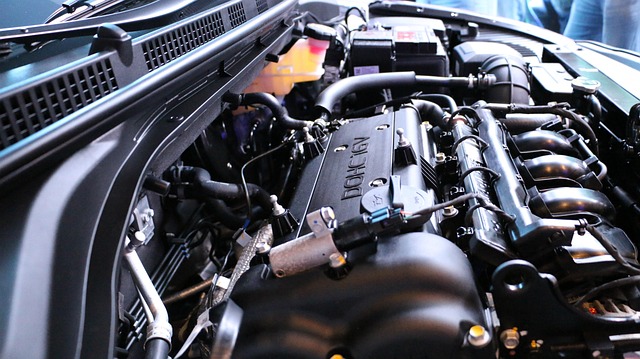
Registering a car in California involves several crucial steps, one of which is verifying your Vehicle Identification Number (VIN). This process ensures that your vehicle meets all legal standards before it can be titled and registered. A VIN verifier plays a critical role here, acting as an indispensable tool to cross-reference the information on file with the actual vehicle. Many residents opt for mobile VIN verifiers, which offer convenience by performing inspections on-site, eliminating the need for visits to designated stations.
When using a mobile vin inspection or any VIN verification service, ensure the provider is reputable and authorized. This step involves more than just checking for obvious discrepancies; it requires an in-depth look at critical data points such as vehicle history, previous owners, and any reported accidents or damages. For instance, a simple online check using a trusted VIN inspection tool can reveal if the car has been in any recalls, floods, or other incidents that could impact its safety or value. California’s Department of Motor Vehicles (DMV) recommends this thorough verification to combat fraud and ensure consumer protection.
The process is straightforward but demands meticulous attention to detail. A vin verifier, whether mobile or stationary, will typically access public databases, manufacturer records, and potentially third-party reporting services to validate the VIN. This might involve comparing data across multiple sources to ensure consistency. For example, if a vehicle has been reported stolen, the VIN inspection will flag this discrepancy, preventing an unsuspecting buyer from acquiring it legally. By embracing these verification methods, California drivers can navigate the registration process with greater confidence and peace of mind.
Visit a California Department of Motor Vehicles (DMV) Office

To register your car in California, a visit to a DMV office is an essential step. This process involves verifying critical information about your vehicle, including its unique Vehicle Identification Number (VIN). A VIN verifier, whether mobile or in-person at a DMV, plays a crucial role in ensuring the accuracy and legitimacy of your registration. When you bring your car to a California DMV, you’ll need to present documents like the title, registration, and proof of insurance. An inspector will then conduct a thorough inspection, including a VIN verification using advanced tools that can instantly cross-reference your vehicle’s data against state records.
For instance, mobile VIN verifiers are becoming increasingly popular due to their convenience. These portable devices allow for on-site inspections, enabling faster processing times at DMV offices or even in remote locations. They work by scanning the VIN and transmitting the data to a database that checks for any discrepancies or outstanding issues related to the vehicle’s history. This technology is not only efficient but also ensures greater accuracy during registration compared to manual, paper-based methods.
During your visit, you’ll also need to pass other inspections, such as safety and emissions tests. These checks are designed to ensure your car meets California’s strict safety and environmental standards. Once all requirements are met, including successful VIN verification, the DMV will process your registration application, issuing a new license plate and registration documents. This meticulous process is in place to maintain the integrity of California’s vehicle records, providing a clear picture of each car’s history for current and future owners.
Complete the Registration Application Form Accurately

When registering a car in California, accurately completing the Registration Application Form is crucial. This form requires meticulous attention to detail, as any errors or omissions can lead to delays or issues with your vehicle’s registration. A key component of this process involves using a reliable Vehicle Identification Number (VIN) verifier. Incorporating a mobile VIN verifier can streamline this step, allowing you to verify the VIN accuracy from the comfort of your home or on the go.
Using a mobile VIN verification service is beneficial for several reasons. It saves time by eliminating the need for a physical visit to a DMV office or dealership. Furthermore, these services often provide immediate results, ensuring your application form is filled with precise data. For instance, a mobile VIN verifier can cross-reference your vehicle’s VIN with national databases to confirm its history and ensure it meets all legal requirements before submitting your registration application.
Another practical insight involves double-checking the information against your vehicle’s registration documents and title. Inaccurate entry of details like model year, make, or color could hinder the registration process. It’s also advisable to verify that any custom modifications to your car are accurately reflected in the application form. For vehicles with extensive modifications, utilizing a mobile VIN inspection 1-3 times throughout the registration process can help identify and resolve discrepancies early on, ensuring a smoother overall experience.
Pay the Required Fees and Receive Your Certificate of Registration

To complete the registration process in California, you’ll need to pay the required fees and receive your Certificate of Registration. This step is crucial as it formalizes your vehicle’s ownership and operation within the state. The fee structure varies based on vehicle type and age, with standard rates for most modern cars. You can expect to pay around $50-$100, depending on factors like whether you’re registering a new or used vehicle and if you opt for additional services like driver’s license integration.
When preparing for this step, consider utilizing a mobile VIN inspection service that employs a vin verifier. These services offer convenience by allowing you to complete the initial verification process from the comfort of your home or office. A reputable mobile vin verifier can cross-check your vehicle’s unique 17-character Vehicle Identification Number (VIN) against state databases to ensure its authenticity and history, streamlining the registration experience.
Once your fees are paid, the California Department of Motor Vehicles (DMV) will issue your Certificate of Registration. This document is essential for several reasons. It serves as proof of ownership, allowing you to legally operate your vehicle on public roads. Additionally, it’s crucial for insuring your car, as insurance providers require this certificate during the policy application process. Keep a digital or physical copy handy, as you may need to present it upon request by law enforcement or insurance companies.
By meticulously gathering essential documents, understanding the VIN verification process with a vin verifier, and navigating the California DMV office efficiently, you can seamlessly register your vehicle. Accurately completing the registration form, coupled with the required fees, ensures a smooth transition to legal ownership. This streamlined process, detailed in this authoritative article, empowers you to take control of your vehicle’s registration, providing peace of mind and ensuring compliance with California regulations.