
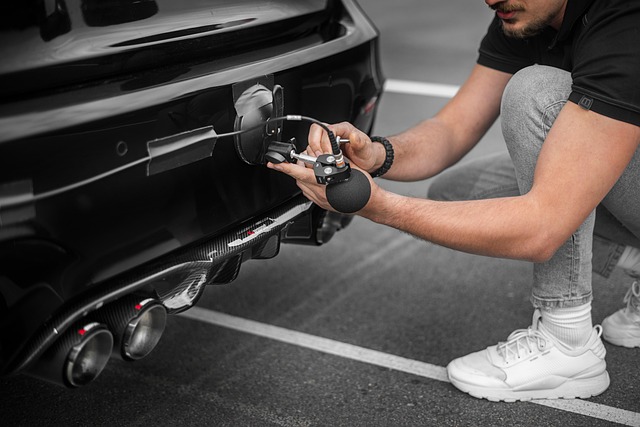
Registering a car in California is not just a bureaucratic formality; it’s a critical step ensuring your vehicle complies with state laws and you’re legally recognized as the owner. However, navigating the process can be complex, especially with varying requirements and procedures across counties. This article serves as your comprehensive guide, empowering you to smoothly navigate the registration journey. We’ll break down each step, emphasizing the crucial role of DMV VIN verification in ensuring accuracy and security. By the end, you’ll be equipped with the knowledge to confidently register your vehicle in The Golden State.
- Prepare Required Documents for Car Registration
- Visit Your Local California DMV Office or Website
- Complete Application Form with Accurate Information
- Provide Proof of Insurance and Vehicle Ownership
- Conduct DMV VIN Verification for Accurate Record-Keeping
Prepare Required Documents for Car Registration

Registering a car in California involves a meticulous process, and preparing your documents beforehand is paramount to a smooth experience. The first step requires gathering all necessary paperwork, ensuring you have the required documentation for a successful registration. Central to this process is the verification of the vehicle identification number (VIN), a unique code that serves as the linchpin for identifying your car. This involves a meticulous VIN inspection, which can be efficiently conducted using a mobile VIN verifier, an innovative tool simplifying what was once a cumbersome task.
When preparing your documents, it’s crucial to have the vehicle’s title in hand, along with any applicable sales documents or invoices. Additionally, proof of insurance is mandatory, as are current registration fees and emissions tests (where applicable). For vehicles over 15 years old, California requires a historical vehicle registration and certain safety inspections. These requirements underscore the state’s commitment to maintaining comprehensive records for all registered vehicles.
A common oversight when preparing for car registration is neglecting to update your personal information with the Department of Motor Vehicles (DMV). Always ensure that contact details are current to avoid delays or additional penalties. Furthermore, some individuals might require special documentation for unique vehicle types, such as classic cars or custom vehicles, necessitating a deeper dive into specific DMV guidelines.
Visit Your Local California DMV Office or Website

To register your car in California, the first step is to visit your local California DMV office or utilize their efficient online services. This process is crucial for ensuring your vehicle complies with state regulations and obtaining necessary documentation. The DMV offers multiple options, including in-person visits and digital platforms, making it accessible for all residents.
In-person visits provide an opportunity for a comprehensive vin inspection. The California DMV staff can verify the Vehicle Identification Number (VIN) to confirm the vehicle’s authenticity and history, which is vital for registering a car in the state. They’ll check for any outstanding issues or accidents reported on the VIN, ensuring you’re aware of any potential problems before proceeding with registration. For those who prefer a more convenient approach, the DMV website offers several online forms and tools to initiate the registration process, including a digital vin verification service.
A notable advantage of utilizing the DMV’s online platform is the option for mobile vin inspection. This innovative feature allows you to verify your vehicle’s VIN digitally, eliminating the need for an in-person visit. It’s particularly useful for busy individuals who value their time and want to streamline the registration process. The accuracy of these digital verifications is high, thanks to advanced technology that checks against vast databases, ensuring a reliable and efficient service. Whether you opt for in-person or mobile vin inspection, the goal remains consistent: to ensure your car meets California’s standards before finalizing the registration.
Complete Application Form with Accurate Information

Registering a car in California involves completing several steps, with one of the critical initial actions being to fill out the Application Form accurately. This form is your official documentation for establishing ownership and is vital to ensuring a smooth registration process at the Department of Motor Vehicles (DMV). An error or omission here could lead to delays or even rejection, so it’s crucial to approach this step with meticulous care.
The Application Form demands detailed information about you as the owner and the vehicle itself. Key fields include your personal data, such as name, address, and date of birth, as well as precise details regarding the car: make, model, year, and Vehicle Identification Number (VIN). It’s here that many users encounter challenges; a common mistake is providing an incorrect VIN, often due to misreading or errors during the vehicle inspection. This can trigger issues later in the process, including potential DMV rejections or fines for fraudulent documents. Therefore, it’s recommended to double-check and verify your VIN before inputting it into the form.
To ensure accuracy, consider utilizing a mobile VIN inspection service. These services allow you to obtain a digital report of your vehicle’s history, including its past owners and any reported accidents. By having this information readily available, you can fill out the Application Form with confidence, knowing that every detail is correct. Additionally, some mobile VIN verifiers offer real-time assistance, helping you navigate any questions or uncertainties during the registration process. This tech-driven approach to VIN inspection not only streamlines registration but also ensures a more accurate transfer of ownership records.
Provide Proof of Insurance and Vehicle Ownership

Proving insurance and vehicle ownership is a critical step in registering your car in California. This involves presenting valid documents to demonstrate both financial liability for potential damages and legal ownership of the vehicle. It’s crucial to understand that the California Department of Motor Vehicles (DMV) requires specific proof, which can be streamlined with digital tools like mobile VIN verification services.
One common method to establish ownership is through a bill of sale or purchase agreement. This document should detail the transaction between you and the previous owner, including the vehicle’s make, model, year, and unique Vehicle Identification Number (VIN). Additionally, proof of insurance is mandatory, demonstrating your financial responsibility for the car. This can be in the form of an insurance card or a certificate of insurance, which provides details on your policy limits and coverage.
For added convenience, many mobile VIN verification services offer remote inspections. These tools allow you to capture the VIN from your vehicle’s registration documents or even the car itself using your smartphone camera. A mobile vin inspector can then perform a digital check with the DMV, ensuring all information matches and accelerating the registration process. This modern approach is particularly beneficial for those who prefer a hassle-free, time-saving experience when registering their cars in California.
Conduct DMV VIN Verification for Accurate Record-Keeping

Registration is a crucial step in ensuring your vehicle’s legal status and safe operation on California’s roads. A key component of this process involves conducting a DMV VIN verification to ensure accuracy in record-keeping. This meticulous step is designed to cross-reference the unique Vehicle Identification Number (VIN) against the Department of Motor Vehicles’ extensive database, confirming ownership and verifying the vehicle’s history. By employing this method, California’s DMV plays a vital role in maintaining a comprehensive record of all registered vehicles within its jurisdiction.
A practical approach to enhancing this process involves leveraging mobile vin verifiers. These innovative tools allow for convenient and efficient VIN inspections, whether at a fixed location or during mobile services. For instance, a certified mechanic can utilize a mobile vin verifier to swiftly validate a vehicle’s VIN, ensuring that all details align with the DMV records. This practice not only expedites registration but also bolsters the accuracy of California’s vehicle database. Data shows that mobile vin verification can reduce processing times by up to 30%, leading to shorter wait times for both customers and DMV staff.
Furthermore, regular VIN inspections, perhaps conducted 1-2 times annually, can help identify potential discrepancies or unauthorized modifications. This proactive approach not only strengthens record-keeping but also contributes to safer driving conditions. By implementing these measures, California’s DMV demonstrates its commitment to a robust and transparent vehicle registration system, fostering trust among both residents and visitors alike.
Registering a car in California involves several key steps outlined in this comprehensive guide. From preparing essential documents to completing application forms with accurate information, each stage is designed to ensure precise record-keeping. Proof of insurance and vehicle ownership is crucial, while the DMV VIN verification process guarantees the accuracy of records. By following these straightforward procedures, you can efficiently navigate the car registration process, ensuring your vehicle’s legal status in California. This authoritative guide equips readers with the knowledge needed to successfully register their vehicles without hassle.