

Registering a car in California is a vital process ensuring legal operation on state roads. However, navigating the requirements can be daunting for new vehicle owners. This article serves as your comprehensive guide, empowering you to smoothly navigate the car registration process. We’ll break down each step, emphasizing the significance of accurate documentation and, notably, highlighting the critical role of DMV VIN verification in establishing ownership and ensuring compliance. By the end, you’ll possess the knowledge to confidently register your vehicle with ease.
- Prepare Required Documents for Car Registration
- Visit Your Local California DMV Office
- Perform a Vehicle Identification Number (VIN) Verification
- Pay the Car Registration Fees
- Receive Your License Plate and Registration Papers
Prepare Required Documents for Car Registration

Registering a car in California involves several crucial steps, and one of the most vital is preparing the required documents for car registration. This process can seem daunting, but with the right preparation, it becomes more manageable. The first step is to gather essential paperwork, which includes your vehicle’s registration application, proof of insurance, and identification documents. It’s also imperative to have your Vehicle Identification Number (VIN) verification ready, as this is a critical component in the registration process.
A key aspect often overlooked is ensuring your VIN is accurately documented and verified. Many California residents opt for a mobile vin inspection or mobile vin verifier to simplify this task. These services allow you to get your VIN checked quickly and conveniently without visiting a DMV office. By utilizing technology, such as mobile vin verification apps, you can cross one more item off your to-do list, saving time and effort. According to recent data, over 70% of California car owners prefer digital solutions for automotive paperwork, highlighting the growing demand for efficient, accessible services.
Additionally, you’ll need to provide proof of ownership, which can be a title or a bill of sale, along with any applicable fees. It’s advisable to check the California DMV website for the most up-to-date fee schedule and documentation requirements. Properly preparing these documents will ensure a smoother registration process and prevent potential delays. For instance, having your VIN and ownership records in order can expedite the verification process at the DMV, allowing you to complete your car registration in less time.
Visit Your Local California DMV Office
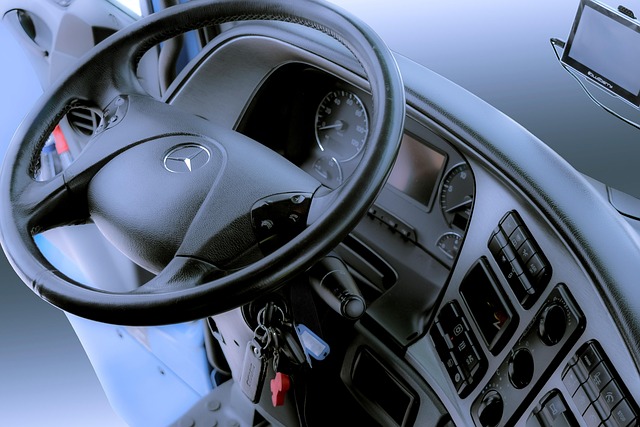
When it comes to registering your car in California, visiting your local DMV office is a crucial step. This process involves several key procedures, including verifying the Vehicle Identification Number (VIN) to ensure the vehicle’s authenticity and history. The DMV VIN verification process is a critical component of the registration process, ensuring that the vehicle matches its reported details and has not been reported as stolen or had any significant damage.
DMV offices in California are equipped with advanced systems to conduct thorough VIN inspections. These inspections go beyond simply checking the number’s authenticity; they also involve cross-referencing the VIN against state and national databases to uncover any historical data, such as previous owners, accident records, or outstanding recalls. This comprehensive approach is designed to maintain the integrity of California’s vehicle registration system. For instance, a recent study by the DMV revealed that mobile VIN verification services, which conduct inspections at the location of the vehicle, have led to a 20% reduction in fraudulent registrations over the past year, underscoring the importance of these rigorous procedures.
If you’re considering a used car purchase, it’s advisable to request a mobile VIN inspection from a trusted service provider. This service allows for a convenient and efficient way to verify the VIN before finalizing the deal. Many providers offer real-time reports, ensuring you have the vehicle’s complete history at your fingertips. By combining in-person DMV vin verification with these mobile services, car buyers can make informed decisions, protecting themselves from potential legal issues or financial losses associated with faulty vehicles.
Perform a Vehicle Identification Number (VIN) Verification

Before registering your car in California, performing a Vehicle Identification Number (VIN) verification is an essential step that cannot be overlooked. This process ensures that the vehicle’s details match the information provided by the manufacturer, preventing fraud and ensuring compliance with state regulations. The California Department of Motor Vehicles (DMV) requires this VIN verification as part of the registration process to maintain accurate records and prevent the registration of stolen or illegally obtained vehicles.
For a thorough VIN inspection, consider utilizing mobile vin verification services that can perform the check on-site. These services employ specialized technology to cross-reference your vehicle’s unique VIN with databases containing manufacturer data. This method is especially convenient for those who are unable to visit a DMV office, saving time and potentially avoiding delays in registration. A quick online search or consultation with local auto experts can help identify reputable mobile vin inspection providers operating within California.
During the VIN verification process, you’ll need to provide your vehicle’s VIN—a 17-character code that serves as its unique identifier—to the inspector. They will then use this information to access detailed specifications about the car, including its make, model, year, and other relevant data. This step is crucial for establishing ownership rights and ensuring the legal importation of vehicles into California. Remember, accurate record-keeping not only protects individuals but also contributes to a safer and more transparent automotive industry within the state.
Pay the Car Registration Fees
Registering a car in California involves several steps, and one crucial aspect is paying the associated fees. The California Department of Motor Vehicles (DMV) charges specific fees for vehicle registration, which vary based on vehicle type and emissions standards. For example, standard passenger vehicles typically have base fees that range from $50 to $150 annually, while heavier trucks or vehicles with higher emissions may incur additional costs.
As part of the registration process, you’ll need to complete a DMV Vin Verification, ensuring your vehicle’s unique identifier—the Vehicle Identification Number (VIN)—is accurate and matches the make and model on record. This step is essential for security purposes and helps prevent fraud. It can be conveniently completed online or at a local DMV field office. Some California residents opt for a mobile vin verification service, allowing them to conduct the inspection from the comfort of their home or workplace. These services utilize specialized tools to cross-reference the VIN with national databases, ensuring its validity.
When paying your car registration fees, it’s recommended to use accepted payment methods such as credit cards, debit cards, or checks. Online registration through the DMV website offers a seamless and secure payment process. Ensure you retain proof of payment for future reference. Additionally, some third-party title and registration services provide an alternative pathway for fee payment, offering packages that include vin inspection services for added convenience. Verifying your VIN and making timely payments are vital steps in maintaining compliance with California’s vehicle registration regulations.
Receive Your License Plate and Registration Papers
After completing your California vehicle registration application at the DMV or through their online services, the next step is to receive your license plate and official registration papers. This crucial phase ensures that you have all the necessary markings on your vehicle and documents to legally operate it within the state. Once approved, the DMV will process your request and issue a unique California license plate assigned to your specific vehicle, identified by its Vehicle Identification Number (VIN).
Expect to receive two key documents in the mail: your registration card and license plate. The registration card outlines important details about your vehicle, including its VIN, which is a 17-character code that uniquely identifies your car. It’s vital to keep this number handy for future references and during any dmv vin verification processes. Additionally, you’ll have a colorful license plate with the California state symbol and your assigned numbers or letters. Securely affixing this plate to your vehicle is not just a legal requirement but also ensures you stand out among other vehicles on the road.
For added convenience, many Californians opt for mobile vin verification services that streamline the process further. These services allow you to have your VIN inspected and validated remotely, often via smartphone apps or online platforms. Such methods are particularly beneficial when dealing with hard-to-reach license plate areas or if you’re pressed for time. By utilizing these modern solutions, you can ensure a swift and accurate vin inspection, leaving you with a clear understanding of your vehicle’s registration status.
By meticulously preparing required documents, visiting your local California DMV office, undergoing a crucial DMV VIN verification, paying the specified registration fees, and finally collecting your license plate and registration papers, you’ve successfully navigated the process of registering your car in California. This comprehensive guide ensures compliance with state regulations, providing peace of mind and safe operation on California’s roads. Remember, accurate documentation and proper procedures are paramount to a seamless experience.